
Learn how to check transmission fluid level, color, and odor correctly. This simple DIY test prevents catastrophic...
For Advertisement
Toyota Solid-State Battery Production Timeline: The 2027 US EV Revolution Defined
Publish By: Celedrama
Date: 10 Apr, 2026
2.2K Views
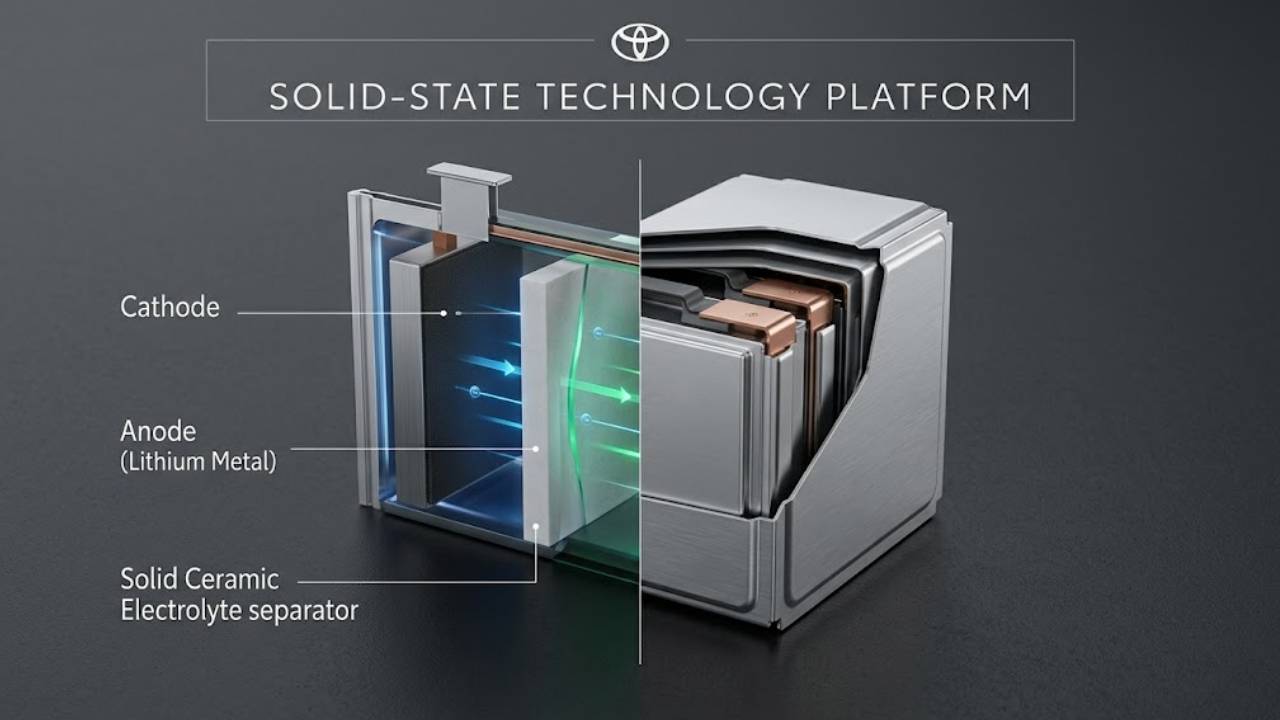
For a decade, the promise of solid-state batteries (SSBs) has been the automotive industry’s "horizon technology"—always visible, yet perpetually ten years away. This technology promises to solve the critical bottlenecks hindering mass Electric Vehicle (EV) adoption: range anxiety, long charging times, and safety concerns related to flammable liquid electrolytes. Current lithium-ion (Li-ion) technology is mature but approaching its physical limits.
The waiting game is officially over. Toyota, the world’s largest automaker, has clarified its roadmap, transitioning SSB from abstract research to concrete manufacturing milestones. For the United States, a market defined by long distances and demanding drivers, this shift isn’t just an incremental update; it is the definitive moment the EV evolution becomes an EV revolution.
How it Works (Technical Deep Dive)
To appreciate the disruption, we must understand the fundamental engineering shift. Conventional Li-ion batteries utilize a liquid electrolyte solution to allow lithium ions to move between the cathode (positive) and anode (negative) during charging and discharging. This liquid is flammable and requires bulky cooling systems to maintain stability. Furthermore, it facilitates the formation of dendrites—tiny, metallic structures that grow over time and can cause short circuits.
The Solid-State Advantage: A solid-state battery replaces the liquid electrolyte with a solid ceramic or polymer material. This single change unlocks three disruptive advantages:
Massive Energy Density: The solid separator can be much thinner than its liquid counterpart. This, combined with the ability to use a metallic lithium anode (which would react violently with liquid electrolytes), dramatically increases the energy density. We are looking at a potential doubling of specific energy (Wh/kg) compared to current premium Li-ion packs.
Volumetric Efficiency: Without the need for bulky liquid cooling systems, entire battery packs become lighter and smaller, allowing for more cells (and therefore more range) in the same vehicle footprint.
Ultrafast Charging: The solid electrolyte is fundamentally more stable at high temperatures, enabling safe, intense energy transfer. This stability is the key to achieving a 5-minute charge (10% to 80% state of charge), a benchmark that brings the EV "refill" experience in line with gasoline vehicles.
The Competition
While Toyota holds a significant lead in SSB patents, the global race is ferocious.
Samsung SDI: Also targeting a 2027 pilot production timeline, Samsung is utilizing a sulfid-based solid electrolyte.
Volkswagen Group (via PowerCo and QuantumScape): VW is heavily invested in QuantumScape, which has successfully demonstrated scalable SSB cells that meet demanding automotive benchmarks. VW’s PowerCo aims for 2028 industrial production.
Nio/WeLion: Already deploying semi-solid-state (150 kWh) packs in China, proving the technology is moving beyond the lab, even if fully solid-state is still pending.
Real-World Timeline (US Market Focus)
The rollout of SSB in the US will be a phased deployment, not an overnight switch. Based on Toyota’s guidance and industry analysis, here is the realistic schedule for the US market:
Phase 1: Limited Integration (2027–2028): Expect the first SSBs to appear in premium, low-volume Toyota or Lexus models (e.g., a halo Lexus sports car or high-end SUV). The purpose here is field validation and prestige, not mass market sales. Cost will be high.
Phase 2: Hybrid Catalyst (2028–2029): Interestingly, industry consensus suggests the first SSB to hit true "volume" may be in non-plug-in hybrids. Because SSB offers high power density for smaller pack sizes, they are ideal for enhancing hybrid performance and efficiency before full EV costs come down.
Phase 3: Mass Market EV Deployment (2030+): Significant cost parity with Li-ion (the critical $100/kWh bottleneck) won’t be achieved until full industrial scale, likely 2030 or later. By then, standard range EVs will deliver 500 miles on a 5-minute charge.
Final Verdict
Toyota’s solidified production timeline for solid-state batteries is the clearest signal yet that the EV landscape is about to fracture. The technology’s arrival will render current range comparisons obsolete and fix the charging inconvenience bottleneck permanently. While mass adoption in the $35,000 EV bracket is still post-2030, the 2027 pilot validation signals the beginning of the end for liquid electrolytes. At Pin Cars, we believe the 5-minute refill is the future, and 2027 is the year it begins to become reality for the US driver.
For Advertisement
Login to post comments
YOU MAY ALSO LIKE
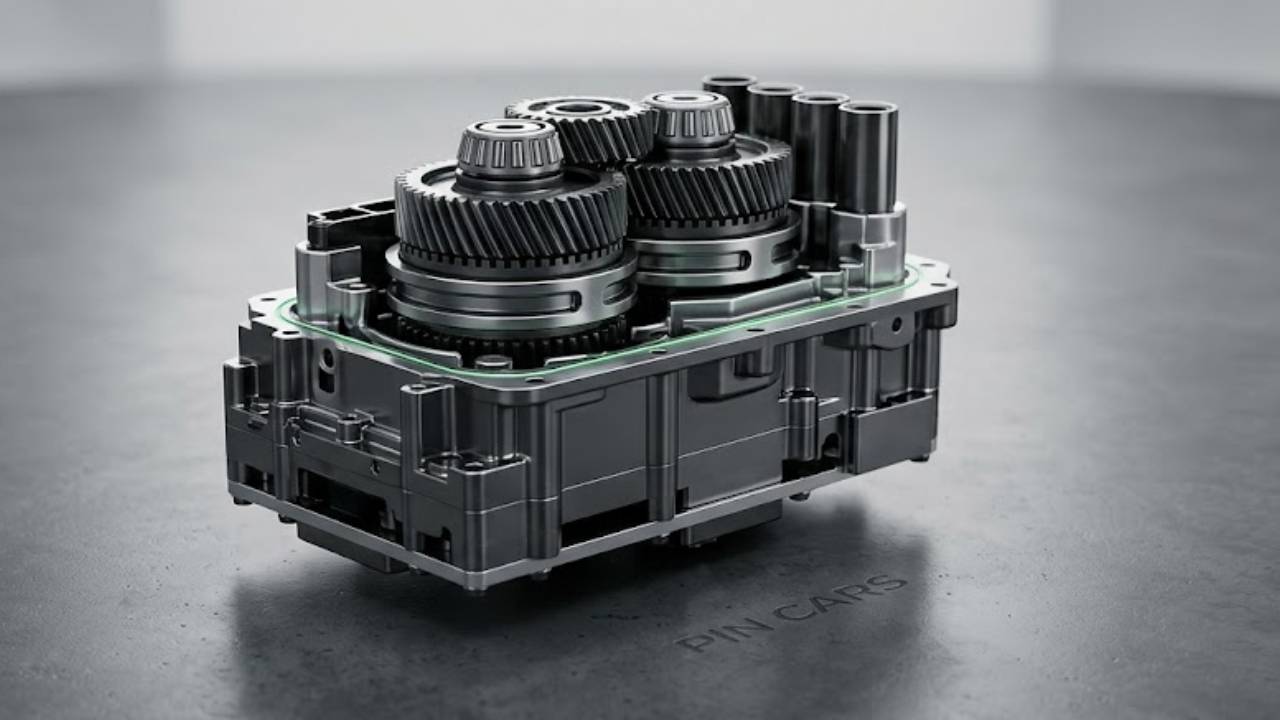
How to Check Transmission Fluid: The 5-Minute DIY Diagnosis That Saves Your Car
News Apr 11, 2026
Tesla FSD Supervised Approved in Netherlands: Europe's Self-Driving Turning Point
News Apr 11, 2026
Tesla Full Self-Driving (FSD) "Supervised" achieves historic regulatory approval in the Netherlands, marking its of...
An Unlikely Evolutionary Catalyst: Skoda Enyaq iV Goes Fossil Hunting in East Africa
News Apr 10, 2026
When scientists hunt human origin fossils in the remote Cradle of Humankind, they need silent power. We review the...
2024 Honda CR-V Hybrid: Definitive Review & Buying Guide (Specs, MPGe, Pros/Cons)
News Apr 10, 2026
Is the 2024 Honda CR-V Hybrid worth $35,000? Our Pin Cars expert review breaks down its real-world MPG, top tech, p...
How to Check Your Transmission Fluid: The $5 DIY Tip to Save Thousands
News Apr 10, 2026
Stop an expensive transmission failure before it starts. Learn Pin Cars’ essential 3-step check to diagnose fluid l...
For Advertisement
Popular News





Most Popular Shows
more



Japan No Show
Philippines No Show
Thailand No Show
Indonesia No Show
United States No Show
India No Show
Bangladesh No Show
For Advertisement
Popular Biography
more-
1.
-
2.
-
3.
-
4.
-
5.
-
6.
-
8.
-
9.
-
10.










-
1.
-
2.
-
3.
-
4.
-
5.
-
6.
-
7.
-
8.
-
10.










-
3.
-
4.
-
7.
-
8.
-
10.










-
2.
-
7.
-
8.
-
10.




















-
1.
-
3.









-
2.
-
3.
-
10.










-
1.
-
2.
-
5.
-
7.







For Advertisement

Comments ( 0)