
Learn how to check transmission fluid level, color, and odor correctly. This simple DIY test prevents catastrophic...
For Advertisement
How to Check Your Transmission Fluid: The $5 DIY Tip to Save Thousands
Publish By: Celedrama
Date: 10 Apr, 2026
930 Views
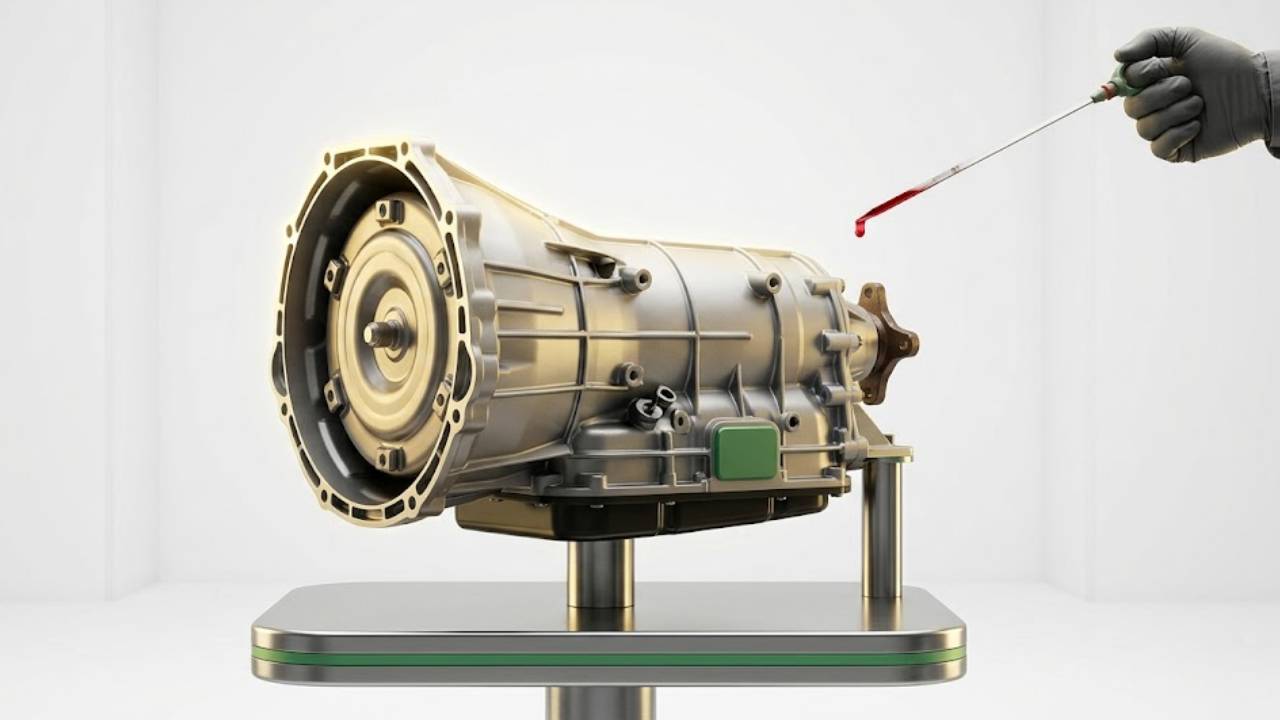
The automatic transmission is one of the most complex, and expensive, components in your vehicle. A full replacement can easily cost between $3,000 and $6,000, or even more for performance or luxury cars. It’s no wonder that 'transmission problems' is one of the most feared phrases in automotive ownership.
The critical fluid that keeps this intricate system of gears, clutches, and hydraulics operating smoothly is its lifeblood. Yet, unlike engine oil, transmission fluid is frequently overlooked by vehicle owners until a serious symptom—like slipping gears, harsh shifting, or strange noises—appears. By then, significant damage might already be done.
At Pin Cars, we believe proactive maintenance is the key to minimizing ownership costs. A simple, regular inspection of your transmission fluid can reveal early warning signs of overheating, contamination, or catastrophic wear. Today, we’ll guide you through the expert method for diagnosing your transmission's health using just your eyes, nose, and a simple paper towel. This entire procedure takes under ten minutes and costs next to nothing, but it could potentially save your transmission.
Step-by-Step Detailed Instructions
1. Preparation: Reaching Operating Temperature
Unlike engine oil, transmission fluid expands considerably when hot. To get an accurate reading, your transmission must be at its normal operating temperature.
Drive your vehicle for at least 15-20 minutes, including some highway driving to ensure the entire system, including the fluid, is fully warmed up.
Park the car on a flat, level surface. Engage the parking brake firmly.
With your foot on the brake, shift the gear selector slowly through all positions (P, R, N, D, L, and back to P), pausing in each gear for a few seconds. This circulates the fluid through all parts of the valve body.
Leave the engine running and the transmission in Park (or Neutral, as specified by some manufacturers—check your owner's manual).
2. Locate and Clean the Dipstick
Pop the hood and locate the automatic transmission fluid (ATF) dipstick. It’s typically near the firewall, towards the back of the engine bay, and often has a brightly colored handle (like red or yellow). It should be clearly marked with an ATF symbol or words. (Note: Many modern vehicles are 'sealed' transmissions and do not have a dipstick; these require specialized tools and procedures, which we will cover in a future article.)
Pull the dipstick out completely.
Wipe it clean from top to bottom with a clean, lint-free cloth or a high-quality paper towel. It must be perfectly clean.
3. The Read: Level, Color, and Smell
This is where the diagnosis happens. Pay close attention.
The Re-Insert and Check: Fully re-insert the dipstick back into its tube. Ensure it clicks into place. Wait a second, then pull it out again smoothly. Look at the end of the dipstick.
The Level: The dipstick will have markings, typically "HOT" and "COLD," with two dots or a cross-hatched area between them indicating the acceptable range. The fluid level should be within the "HOT" range (or between the dots).
If Low: A low reading indicates a leak. Transmission fluid is not 'consumed' like oil. Small leaks from seals or pan gaskets can starve the transmission, causing slipping and overheating.
If High: An overfilled transmission is also dangerous. It can cause aeration (foaming), which prevents proper lubrication and causes pressure problems.
The Color: This is the most critical visual health indicator. Drip some of the fluid from the dipstick onto the white cloth or paper towel.
Healthy: Good automatic transmission fluid is transparent and bright red or pink.
Degraded: If it's turning a lighter, cloudy pink, or getting murky brown, the fluid is oxidizing and losing its protective properties. This is a clear signal that a fluid change is due.
Catastrophic: If the fluid is dark brown or black, the transmission has overheated significantly, burning the fluid and likely friction material. This often accompanies metallic particles. Your transmission is in critical condition.
The Smell: Take a careful sniff of the fluid on the cloth.
Healthy: New, healthy ATF has a distinct but slightly sweet, mechanical scent.
Burnt: A strong burnt smell (like burnt toast) indicates high internal temperatures and that the fluid has broken down. It is often paired with dark fluid and signals imminent failure.
Required Tools
Lint-free microfiber cloth or high-quality paper towels.
Your vehicle’s owner’s manual.
Common Pitfalls to Avoid
Checking When Cold: Never trust a fluid level reading on a cold transmission unless the dipstick specifically has a "COLD" range. Even then, the "HOT" reading is the only one used for final accuracy.
Misidentifying the Dipstick: Be absolutely certain you are checking the transmission, not the engine oil or power steering fluid. Using the wrong fluid type will destroy your transmission almost immediately.
Using a Dirty Rag: Any lint, dirt, or debris introduced into the dipstick tube will act like sandpaper inside the transmission's delicate hydraulic valves.
Overfilling: If your level is slightly low, only add small increments (e.g., 1/4 quart) of the exact ATF type required by your manufacturer (e.g., Dexron, Mercon, ATF+4). Check the level again after a short drive. Overfilling is as harmful as underfilling.
Final Verdict
This quick, 3-step check—level, color, and smell—is your primary line of defense against one of the most costly automotive repairs you can face. Neglect it, and you may find yourself stranded with a transmission failure that could have been prevented. Pin Cars recommends performing this visual transmission health check at every oil change, or at minimum, every 5,000 miles. Think of it as investing $5 in a roll of paper towels to safeguard your $5,000 transmission. Stay ahead of the maintenance, and your car will take care of you.
For Advertisement
Login to post comments
YOU MAY ALSO LIKE
How to Check Transmission Fluid: The 5-Minute DIY Diagnosis That Saves Your Car
News Apr 11, 2026

Tesla FSD Supervised Approved in Netherlands: Europe's Self-Driving Turning Point
News Apr 11, 2026
Tesla Full Self-Driving (FSD) "Supervised" achieves historic regulatory approval in the Netherlands, marking its of...

An Unlikely Evolutionary Catalyst: Skoda Enyaq iV Goes Fossil Hunting in East Africa
News Apr 10, 2026
When scientists hunt human origin fossils in the remote Cradle of Humankind, they need silent power. We review the...

2024 Honda CR-V Hybrid: Definitive Review & Buying Guide (Specs, MPGe, Pros/Cons)
News Apr 10, 2026
Is the 2024 Honda CR-V Hybrid worth $35,000? Our Pin Cars expert review breaks down its real-world MPG, top tech, p...
Toyota Solid-State Battery Production Timeline: The 2027 US EV Revolution Defined
News Apr 10, 2026
When will solid-state batteries arrive in the US? Pin Cars decodes Toyota’s production timeline, 600+ mile range sp...
For Advertisement
Popular News





Most Popular Shows
more



Japan No Show
Philippines No Show
Thailand No Show
Indonesia No Show
United States No Show
India No Show
Bangladesh No Show
For Advertisement
Popular Biography
more-
1.
-
2.
-
3.
-
4.
-
5.
-
6.
-
8.
-
9.
-
10.










-
1.
-
2.
-
3.
-
4.
-
5.
-
6.
-
7.
-
8.
-
10.










-
3.
-
4.
-
7.
-
8.
-
10.










-
2.
-
7.
-
8.
-
10.




















-
1.
-
3.









-
2.
-
3.
-
10.










-
1.
-
2.
-
5.
-
7.







For Advertisement

Comments ( 0)