
Tesla Full Self-Driving (FSD) "Supervised" achieves historic regulatory approval in the Netherlands, marking its of...
For Advertisement
How to Check Transmission Fluid: The 5-Minute DIY Diagnosis That Saves Your Car
Publish By: Celedrama
Date: 11 Apr, 2026
1.7K Views
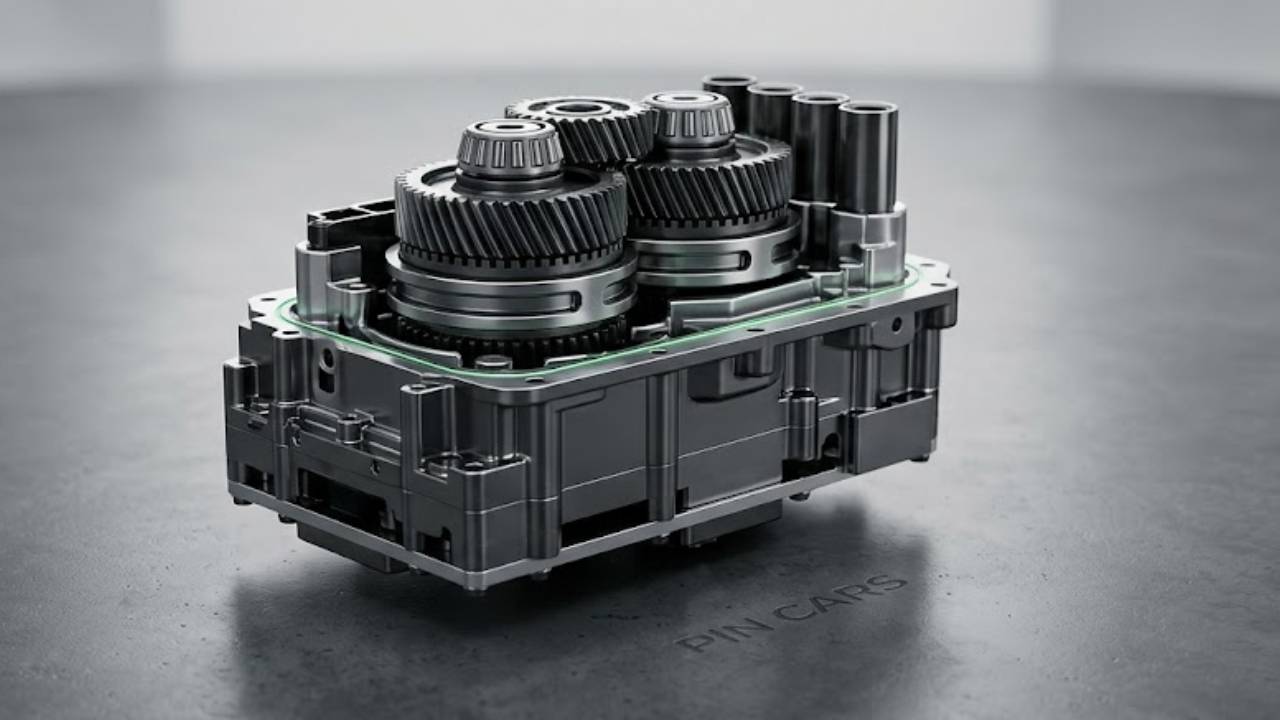
Transmission failure is the single most expensive mechanical breakdown most car owners will ever face. Unlike an engine, which often gives copious warning signs (knocking, ticking, significant oil leaks), an automatic transmission can operate seemingly normally until the moment it catastrophically slips and fails. The resulting repair bill—often ranging from $3,500 to $6,000 for a rebuild or replacement—is enough to total many used vehicles.
The tragedy is that 90% of all automatic transmission failures are caused by fluid degradation or low fluid levels. Automatic Transmission Fluid (ATF) is the lifeblood of this complex component. It acts as a hydraulic fluid to change gears, a coolant to remove intense heat, and a lubricant for the hundreds of moving parts. Mastering the 5-minute technique of verifying ATF health is the single highest ROI (return on investment) maintenance skill you can possess. We will walk you through the expert method, the critical color codes, and the crucial mistakes that kill transmissions.
Required Tools
This is one of the few high-value maintenance tasks that requires almost no overhead.
A clean, lint-free white rag or high-quality paper towels (Crucial for accurate color diagnosis).
Your vehicle’s owner’s manual (To locate the correct dipstick and verify the required ATF type).
A long-neck funnel (If topping off is required).
The correct ATF (Only use the exact specification listed in your manual, e.g., DEXRON VI, MERCON V, ATF+4).
Step-by-Step Detailed Instructions
The procedure for checking transmission fluid is critically different from checking engine oil. Follow these expert steps precisely:
1. Preparation: Get the Fluid Hot
You cannot get an accurate reading on cold ATF. Park your vehicle on a perfectly level surface. Drive the car for at least 15 minutes, ensuring it reaches full operating temperature. Stop the vehicle, but LEAVE THE ENGINE RUNNING. Engage the parking brake firmly.
2. Sequence the Gears
With the engine idling and your foot on the brake, slowly cycle the gear selector through every position: P-R-N-D-L (and back). Hold the shifter in each gear for 3-5 seconds. This ensures the fluid circulatory system (including the valve body and torque converter) is completely full and pressurized. Return the selector to PARK (or NEUTRAL, only if specified by your owner’s manual).
3. Locate the Dipstick (Engine Running)
Pop the hood. Locate the transmission dipstick. It is typically distinct from the engine oil dipstick, often located further back in the engine bay and frequently has a brightly colored (often red, yellow, or capped) handle. Consult your owner’s manual if unsure.
4. The Initial Wipe and Pull
Pull the dipstick out completely. Wipe the blade entirely clean using your white lint-free rag. This removes "splash" that occurs during operation. Fully re-insert the dipstick, ensuring it seats completely.
5. The Analysis: Level, Color, Odor
Pull the dipstick out again and immediately analyze the fluid captured on the end of the blade:
Check LEVEL: Look at the "HOT" markings on the dipstick (usually cross-hatched lines or two distinct holes). The fluid must be within this designated HOT zone. If it is below the lower line/hole, you are low. Caution: Overfilling is equally destructive.
Check COLOR (The Critical Diagnosis): Immediately wipe the fluid onto your clean white rag.
Bright Red/Pink: Healthy, new, or recently serviced fluid.
Light Brown/Translucent: Normal operational wear. Safe, but monitor closely. Service may be due soon based on mileage.
Dark Brown/Opaque: Highly degraded, oxidized ATF. Immediate service required. The fluid has lost its protective properties.
Black/Gritty: Catastrophic failure imminent. Internal components (clutches/bands) are physically disintegrating. Stop driving immediately.
Milky/Strawberry Milkshake: Water or engine coolant has contaminated the ATF (often due to a failed internal radiator cooler). This mix destroys clutch material instantly. Do not drive.
Check ODOR: Smell the fluid on the rag.
Normal ATF should smell musty, almost sweet, or like semi-burnt oil.
A distinct "burnt toast" odor is confirmation of oxidized fluid and internal damage.
6. Add Fluid (If Necessary)
If the level is low, add the exact specified ATF through the dipstick tube using a clean funnel. Add in small increments (e.g., 0.5 pints) and re-check the level (engine running) to avoid overfilling.
Common Pitfalls to Avoid
Checking When Cold: As ATF heats up, it expands significantly. Checking a cold transmission will result in an artificially low reading. If you top off based on this cold reading, the transmission will be overfilled once it reaches operating temperature.
Checking Engine Off: Unless specifically instructed by your owner’s manual (some Hondas/Acuras are exceptions), the engine must be running at idle. If the engine is off, the fluid drains back into the pan, providing a falsely high reading.
Overfilling: Excess fluid is as dangerous as low fluid. It causes the moving parts to "churn" and aerate the ATF, turning it into foam. Foam cannot transfer hydraulic pressure and does not lubricate, leading to instant clutch slippage and overheating.
Final Verdict
Spending five minutes checking your automatic transmission fluid is the most powerful preventative maintenance ritual a car owner can perform. By catching low fluid levels or diagnosing degraded (brown/burnt) ATF before failure symptoms manifest, you transform a potential multi-thousand dollar crisis into a simple $150-$250 maintenance service (a fluid exchange). A transmission thrives on clean, correctly leveled ATF. Ignore this check at your extreme financial peril.
For Advertisement
Login to post comments
YOU MAY ALSO LIKE

Tesla FSD Supervised Approved in Netherlands: Europe's Self-Driving Turning Point
News Apr 11, 2026

An Unlikely Evolutionary Catalyst: Skoda Enyaq iV Goes Fossil Hunting in East Africa
News Apr 10, 2026
When scientists hunt human origin fossils in the remote Cradle of Humankind, they need silent power. We review the...

2024 Honda CR-V Hybrid: Definitive Review & Buying Guide (Specs, MPGe, Pros/Cons)
News Apr 10, 2026
Is the 2024 Honda CR-V Hybrid worth $35,000? Our Pin Cars expert review breaks down its real-world MPG, top tech, p...
Toyota Solid-State Battery Production Timeline: The 2027 US EV Revolution Defined
News Apr 10, 2026
When will solid-state batteries arrive in the US? Pin Cars decodes Toyota’s production timeline, 600+ mile range sp...
How to Check Your Transmission Fluid: The $5 DIY Tip to Save Thousands
News Apr 10, 2026
Stop an expensive transmission failure before it starts. Learn Pin Cars’ essential 3-step check to diagnose fluid l...
For Advertisement
Popular News





Most Popular Shows
more



Japan No Show
Philippines No Show
Thailand No Show
Indonesia No Show
United States No Show
India No Show
Bangladesh No Show
For Advertisement
Popular Biography
more-
1.
-
2.
-
3.
-
4.
-
5.
-
6.
-
8.
-
9.
-
10.










-
1.
-
2.
-
3.
-
4.
-
5.
-
6.
-
7.
-
8.
-
10.










-
3.
-
4.
-
7.
-
8.
-
10.










-
2.
-
7.
-
8.
-
10.




















-
1.
-
3.









-
2.
-
3.
-
10.










-
1.
-
2.
-
5.
-
7.







For Advertisement

Comments ( 0)