
Learn how to check transmission fluid level, color, and odor correctly. This simple DIY test prevents catastrophic...
For Advertisement
High Gas Prices Strengthen the Case for EVs: An Analysis of the Tipping Point
Publish By: Celedrama
Date: 08 Apr, 2026
738 Views
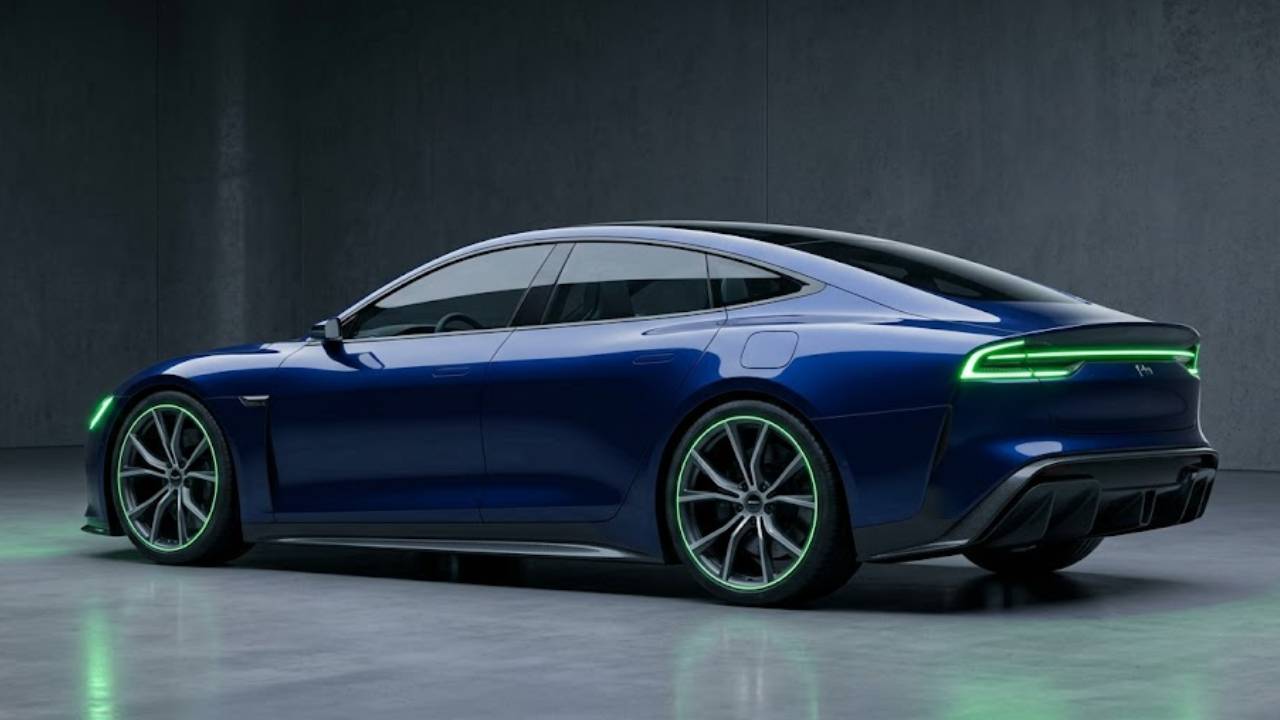
The global automotive landscape is currently navigating a period of unprecedented volatility, driven largely by forces external to the industry itself. Geopolitical instability and supply chain constraints have culminated in a dramatic, sustained surge in gasoline and diesel prices. For years, the argument for Electric Vehicles (EVs) was centered primarily on environmental stewardship and future-proofing against eventual fossil fuel scarcity. However, the current economic reality has introduced a more immediate, potent catalyst for change: operational cost. At Pin Cars, we have closely monitored the traditional vs. electric debate, and the data now strongly suggests that high gas prices represent a critical, permanent tipping point, significantly strengthening the logical and financial case for EV adoption, especially in the premium and high-performance sectors.
Technical Specs and Efficiency
When examining the "case for EVs," the first argument remains technical efficiency. The Internal Combustion Engine (ICE) is, by its very nature, an inefficient converter of energy. Even the most advanced luxury ICE drivetrains waste over 60% of the fuel's energy as heat and friction. In stark contrast, modern EV drivetrains boast energy efficiency ratings exceeding 90%. This fundamental physics advantage is magnified exponentially by rising fuel costs. While electricity prices vary, the "per mile" cost to operate an EV remains a fraction of an ICE equivalent. An luxury EV SUV might cost $0.04 per mile in energy, whereas a comparable V8 luxury SUV, averaging 16 MPG with premium fuel at $5.00/gallon, costs over $0.31 per mile. Over a typical ownership lifecycle, this cost differential—previously measured in thousands of dollars—now scales into tens of thousands, completely reframing the total cost of ownership (TCO).
Market Impact
The immediate market impact of sustained high gas prices is a surge in EV consumer demand that is currently outpacing supply. Major manufacturers (OEMs) are reporting record wait times for electric models. Crucially, this demand shift is not just among economy-minded buyers. In the high-end sector, where Pin Cars operates, the narrative is shifting from "EVs as a lifestyle choice" to "EVs as a superior performance and financial decision." Residual values for efficient EVs are strengthening, while resale values for high-consumption ICE luxury vehicles are showing vulnerability. High-performance electric derivatives (such as the Porsche Taycan or Lucid Air) are now often seen as more desirable than their legacy gasoline counterparts, offering instantaneous torque, near-silent operation, and significantly lower fueling (charging) costs. This environment is accelerating the decline of the traditional luxury sedan segment and forcing an aggressive reorganization of performance vehicle development roadmaps toward electrification.
Final Verdict
High gas prices do not just incentivize EV ownership; they expose the inherent economic fragility of relying on a finite, geographically concentrated resource for personal mobility. The case for EVs, once theoretical or purely ecological, is now undeniably fiscal. The technological maturity of modern electric drivetrains—offering comparable range, blinding performance, and superior refinement—has removed the traditional performance penalties of EVs. When this technical competence is combined with the substantial operational savings highlighted by current fuel costs, the transition becomes logical. At Pin Cars, our verdict is clear: we are witnessing the definitive acceleration of the ICE age's end. While infrastructure and production challenges persist, the high price of gasoline has catalyzed a permanent shift in consumer psychology and market dynamics, solidifying EVs as the indispensable future of high-end mobility.
For Advertisement
Login to post comments
YOU MAY ALSO LIKE
How to Check Transmission Fluid: The 5-Minute DIY Diagnosis That Saves Your Car
News Apr 11, 2026
Tesla FSD Supervised Approved in Netherlands: Europe's Self-Driving Turning Point
News Apr 11, 2026
Tesla Full Self-Driving (FSD) "Supervised" achieves historic regulatory approval in the Netherlands, marking its of...
An Unlikely Evolutionary Catalyst: Skoda Enyaq iV Goes Fossil Hunting in East Africa
News Apr 10, 2026
When scientists hunt human origin fossils in the remote Cradle of Humankind, they need silent power. We review the...

2024 Honda CR-V Hybrid: Definitive Review & Buying Guide (Specs, MPGe, Pros/Cons)
News Apr 10, 2026
Is the 2024 Honda CR-V Hybrid worth $35,000? Our Pin Cars expert review breaks down its real-world MPG, top tech, p...
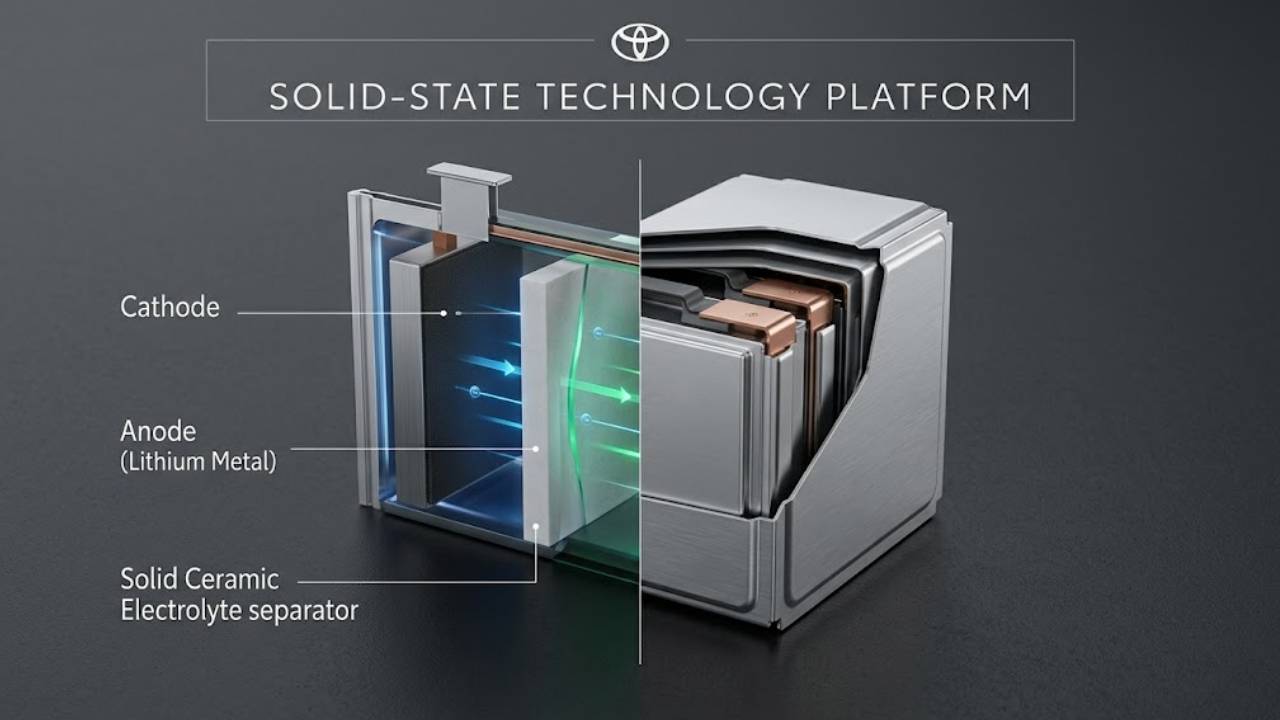
Toyota Solid-State Battery Production Timeline: The 2027 US EV Revolution Defined
News Apr 10, 2026
When will solid-state batteries arrive in the US? Pin Cars decodes Toyota’s production timeline, 600+ mile range sp...
For Advertisement
Popular News





Most Popular Shows
more



Japan No Show
Philippines No Show
Thailand No Show
Indonesia No Show
United States No Show
India No Show
Bangladesh No Show
For Advertisement
Popular Biography
more-
1.
-
2.
-
3.
-
4.
-
5.
-
6.
-
8.
-
9.
-
10.










-
1.
-
2.
-
3.
-
4.
-
5.
-
6.
-
7.
-
8.
-
10.










-
3.
-
4.
-
7.
-
8.
-
10.










-
2.
-
7.
-
8.
-
10.




















-
1.
-
3.









-
2.
-
3.
-
10.










-
1.
-
2.
-
5.
-
7.







For Advertisement

Comments ( 0)